



No, not all emergencies are local, because while almost every crisis begins in a specific place and is handled by local first responders first, many rapidly scale into regional, national, or global events.
The American Red Cross has declared a national blood supply crisis due to a severe shortage, leaving the country with less than a one-day supply of critical Type O positive blood.
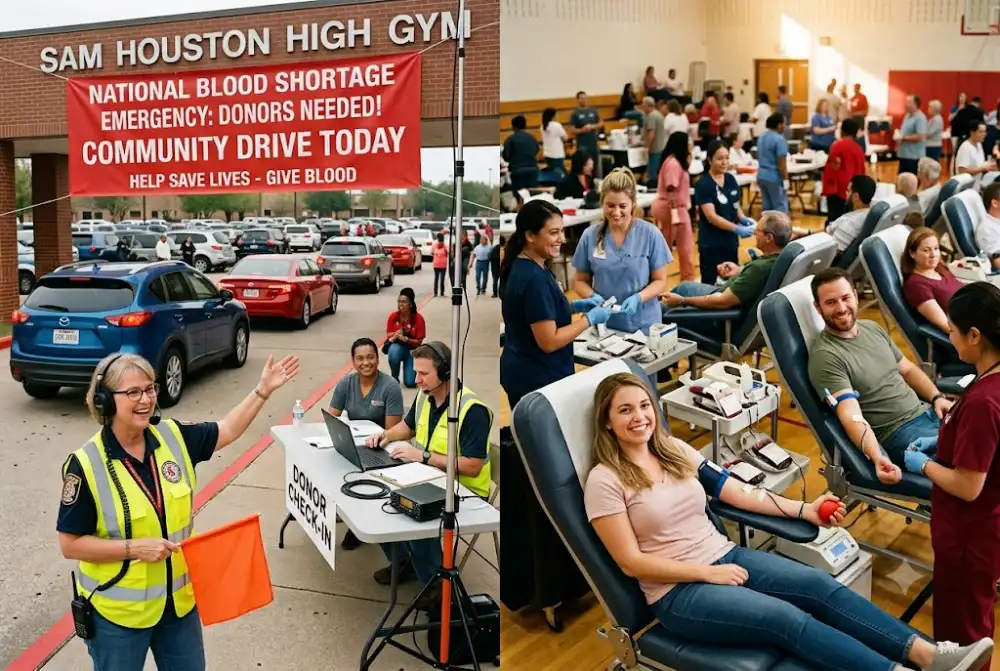
Some hospitals are delaying or rescheduling elective surgeries because of the ongoing national blood shortage. This means you, your family, and your community are in danger of not having blood and blood products at your hospital. Don’t make some doctor choose who gets blood and who doesn’t. Find a local blood drive, roll up your sleeve, and donate.
Download the Blood Donor App, schedule your blood donation quickly and easily right from the palm of your hand.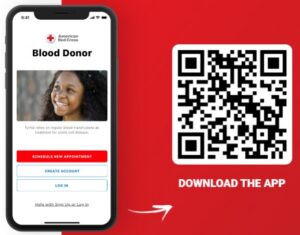
- The Crisis: The American Red Cross declared a rare national blood supply crisis after donations dropped to a four-year summer low.
- The Gap: Hospitals are requesting thousands more units of blood each week than expected, leading to critically low supplies of Type O blood and platelets.
- Hospital Actions: Facilities must reserve available blood products for immediate life-or-death emergencies, trauma care, and organ transplants.
- Delayed Procedures: Non-urgent, planned surgeries that expect to use significant blood products are being postponed.
- Hospital Examples: As reported by Becker’s Hospital Review, healthcare systems like Ascension Saint Thomas in Nashville have already had to reschedule elective cases due to platelet and blood product shortages.
- Difficult Choices: Doctors are forced to prioritize patients with immediate emergency needs over procedures that can safely wait.
- Drop in Supply: National blood inventories fell by about 25% over the summer.
- Low Turnout: Donations hit a four-year summer low because of extreme heat, travel, and outdoor disruptions.
- Hospital Limits: The Red Cross is currently limiting shipments of Type O blood to hospitals while demand for trauma care remains high.
- Type O Positive and Negative: The most requested blood types, which are critical for emergency room and trauma patients.
- Platelets: Rapidly expiring components that are constantly in short supply.
- Incentives: Donors giving blood through August 31, 2026, are eligible for a $20 Amazon gift card.
- Scheduling: You can find a local drive and book an appointment online at the American Red Cross or by calling 1-800-RED-CROSS.
- The Local Start: Most incidents start locally. Local police, fire departments, and emergency medical services (EMS) are the first to arrive and manage the immediate situation.
- State Support: If an event overwhelms a single town or county, the local government requests help from the state. State agencies step in to coordinate broader support. For instance, state departments like the Georgia Emergency Management and Homeland Security Agency coordinate resources across wider areas.
- Federal Intervention: Massive disasters that surpass state capabilities bring in national organizations like FEMA to provide funding, supplies, and specialized teams.
- Global Pandemics: A disease outbreak affects multiple countries simultaneously from day one.
- National Cyberattacks: A coordinated digital strike on critical infrastructure can shut down banking or power grids across an entire country instantly.
- Nationwide Economic Crises: Sudden financial collapses impact millions of people across borders without a physical local starting point.
Did you enjoy this?
Log in to like this post.



This is a nice reminder for me. I need to get back in the habit of giving blood.
The last time I gave blood was back on 911 2001..it’s been 25 years crazy where does time go!